What to Expect During a Professional Roof Certification
A roof certification helps verify your roof's condition for selling or insurance, and local contractors can perform inspections to provide an accurate assessment.
If you’re considering a professional roof certification, understanding what to expect during the process can help ease any concerns. Property owners in the area often explore this service to verify the condition of their roofs, especially before major transactions like buying or selling a home, or when preparing for insurance claims. During a roof certification, experienced service providers will typically perform a thorough inspection, assessing the roof’s overall health, identifying potential issues, and ensuring it meets safety standards. Knowing what steps are involved can help you feel more confident that your property is well-maintained and protected.
Local contractors who offer roof certification services are familiar with the specific needs of properties in the community. They will usually review key components such as shingles, flashing, vents, and structural integrity, providing a detailed report of their findings. This process often includes a visual inspection from the ground and, when necessary, a closer look from the roof itself. By understanding what to expect during a professional roof certification, property owners can make informed decisions about repairs, maintenance, or future investments-knowing that trusted local service providers are ready to assist with expert evaluations tailored to the area’s unique conditions.
- Roof inspection services - homeowners may need this work to assess roof condition before a certification, with local contractors thoroughly evaluating the roof's structure and integrity.
- Roof evaluation services - individuals seeking to verify roof safety for real estate transactions can rely on local pros to perform comprehensive assessments during a professional roof certification.
- Damage assessment services - property owners suspect roof damage after severe weather and turn to local contractors to identify issues and determine certification readiness.
- Roof age and condition reports - those planning renovations or insurance claims may request detailed reports from local service providers to support the certification process.
- Structural integrity inspections - clients concerned about underlying roof support issues can work with local pros to ensure the roof meets certification standards through detailed evaluations.
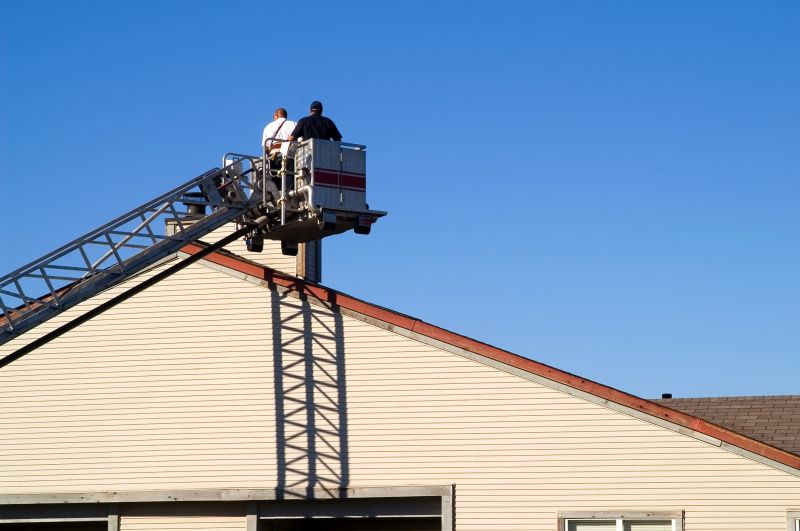
A professional roof certification typically involves a thorough inspection of a property's roofing system to assess its current condition and identify any existing issues. When homeowners or property owners search for what to expect during a professional roof certification, they often want to understand the scope of the evaluation and what kind of information the process will provide. These inspections are commonly requested during real estate transactions, such as buying or selling a home, to ensure the roof is structurally sound and free from major defects. They can also be part of routine maintenance plans or used to confirm the integrity of a roof before undertaking repairs or upgrades, helping property owners make informed decisions about their investment.
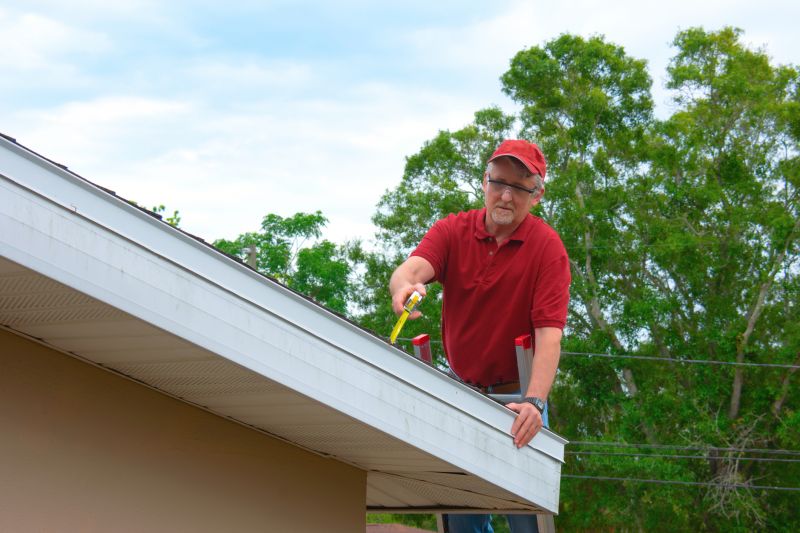
During a roof certification, local contractors typically perform a detailed visual assessment of the roof’s surface, looking for signs of damage, wear, or deterioration. This includes checking for missing or damaged shingles, cracked flashing, sagging areas, or any indications of leaks or water intrusion. The inspection may also extend to evaluating the condition of gutters, vents, and other roofing components that contribute to the overall health of the system. Homeowners should expect the process to involve climbing onto the roof-if accessible-or examining it from the ground with binoculars or other tools. The goal is to provide a clear picture of the roof’s current state and determine whether it meets the necessary standards for safety and durability.
The types of properties that typically require a roof certification include residential homes, especially those involved in real estate transactions, as well as commercial buildings, multi-family units, and rental properties. For homeowners, a roof certification can serve as a safeguard before putting a property on the market or after experiencing severe weather that might impact the roof’s condition. Commercial property owners may also seek certification to meet leasing or insurance requirements. Regardless of the property type, local service providers understand the specific challenges and structural considerations involved, ensuring a comprehensive inspection that accurately reflects the roof’s condition and helps guide future maintenance or repair plans.
Understanding what to expect during a professional roof certification helps homeowners and property managers prepare for the inspection process and appreciate the role local contractors play in maintaining property value. These professionals bring expertise in identifying potential issues that might not be immediately visible and can provide insights into necessary repairs or upgrades. While the certification itself is a snapshot of the roof’s condition at a given time, it also serves as a valuable tool for planning ongoing maintenance or addressing problems before they escalate. Engaging experienced local pros ensures that the inspection is thorough, accurate, and tailored to the specific needs of the property, providing peace of mind and supporting informed decision-making about the roof’s future.
Roof inspection services - professionals who perform detailed roof inspections for various purposes can also evaluate roofing systems during certification processes to identify potential issues.
Roof repair projects - contractors experienced in fixing roofing problems have the skills to assess damage and recommend necessary repairs as part of the certification process.
Roof replacement services - experts in replacing old or damaged roofs often conduct thorough assessments to determine if a roof meets certification standards before replacement.
Storm damage assessment - local contractors skilled in evaluating storm-related roof damage can provide insights relevant to certification and safety evaluations.
Gutter and drainage system installation - specialists in installing drainage systems can ensure proper roof drainage, which is often evaluated during a roof certification.
Roof ventilation services - providers focusing on proper roof ventilation can support certification by ensuring the roofing system meets airflow and insulation standards.

When evaluating service providers for a roof certification, it is important to consider their experience with similar projects. Homeowners should look for local contractors who have a proven track record of performing roof assessments in residential settings comparable to their own. An experienced professional will be familiar with common roofing materials, typical issues, and the inspection processes necessary to accurately assess roof conditions. This familiarity can help ensure that the certification is thorough and reliable, providing peace of mind about the roof’s integrity and readiness for any future needs.
Clear, written expectations are essential when choosing a roof certification provider. Homeowners should seek out service providers who clearly outline what the certification process entails, including what areas will be inspected, what issues might be identified, and what documentation will be provided afterward. Having these details in writing helps prevent misunderstandings and ensures that all parties are aligned on the scope of work. Transparency in expectations also allows homeowners to compare different providers more effectively and select a contractor who communicates openly and comprehensively about their services.
Reputation and communication are key factors when comparing local contractors for roof certification services. Reputable service providers often have a history of satisfied clients and can provide references or testimonials that attest to their reliability and professionalism. Good communication throughout the process-such as timely responses to questions and clear explanations of findings-helps build trust and ensures that homeowners feel informed and involved. Choosing a local contractor known for dependable communication and a solid reputation can make the certification process smoother and more straightforward, providing confidence in the assessment and any subsequent recommendations.
Property owners often search for what to expect during a professional roof certification when they are planning practical projects around their homes and businesses. Local pros provide Roof Certification services for everyday jobs and straightforward project options.
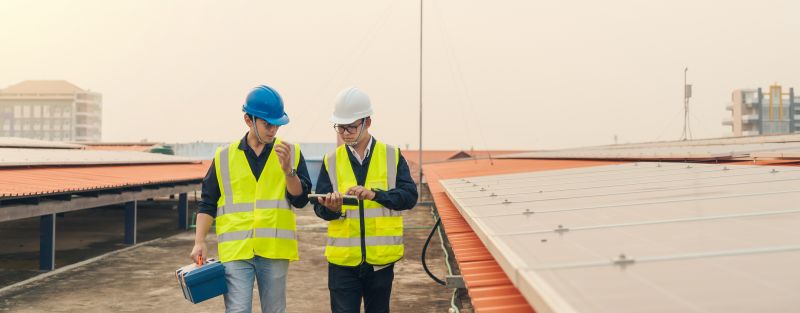
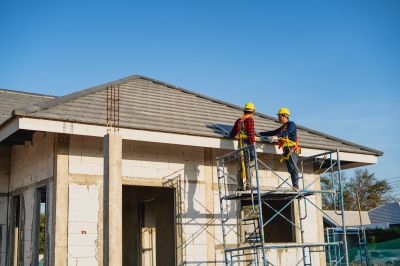
During a professional roof certification, property owners can expect a thorough inspection process that assesses the overall condition of the roof. Local contractors typically examine key components such as shingles, flashing, gutters, and ventilation systems to identify signs of damage, wear, or potential issues. This inspection often involves walking on the roof to evaluate its surface and using tools to check for hidden problems that might not be immediately visible from the ground. Property owners might notice the presence of minor repairs or recommendations for future maintenance, helping them understand the current state of their roof and any necessary steps to maintain its integrity.
Many property owners seek roof certification services to prepare for a sale, refinance, or insurance purposes, or simply to ensure their home’s protection. During the process, local service providers will often provide a detailed report summarizing their findings, along with any suggested repairs or improvements. The certification process offers peace of mind by confirming the roof’s condition, and property owners can expect clear communication about what was checked and what, if anything, needs attention. Connecting with experienced local contractors can help ensure the inspection is comprehensive and tailored to the specific needs of the property.
What does a professional roof certification typically involve? A roof certification from local contractors usually includes a thorough inspection of the roof's condition, checking for damage, wear, and potential issues. The process may also involve evaluating the roof's structural integrity and identifying areas that need repair or maintenance.
How long does a roof certification process usually take? The duration of a roof certification depends on the size and complexity of the roof, but generally, local service providers perform inspections efficiently within a few hours. They will assess all relevant aspects to ensure an accurate certification.
What should I expect during the actual inspection? During the inspection, local contractors will examine the roof surface, flashing, gutters, and other components. They may also use tools or equipment to assess areas that are not easily visible, providing a comprehensive evaluation of the roof’s condition.
Will the roof certification include recommendations for repairs? Yes, many local pros provide a detailed report that highlights any issues found during the inspection. They often include recommendations for repairs or maintenance needed to ensure the roof remains in good condition.
Is the roof certification process disruptive to my property? Professional roof inspections are typically non-invasive and designed to minimize disruption. Local service providers aim to perform their work efficiently, causing little to no disturbance to your property or daily routine.
Understanding the inspection process - property owners can learn what aspects of their roof will be examined during a professional roof certification to prepare for the assessment.
Identifying potential issues - property owners can use the certification to spot early signs of damage or wear that may need attention from local contractors.
Learning about necessary repairs - the certification process often highlights areas that require maintenance, helping property owners plan for future projects with local service providers.
Verifying roof condition for transactions - a roof certification can serve as a helpful document during property sales or refinancing, providing assurance about the roof’s current state.
If you are thinking about what to expect during a professional roof certification for a property, this guide is meant to help you understand this topic, the typical project types, and how different options might fit your plans.
When you are ready, you can use the quote form on this page to share a few details about your project. From there, local pros can review the basics and follow up with options that match what you have in mind.