How Roof Certification Protects Lenders and Insurance Companies
Roof certification helps protect lenders and insurance companies by verifying roof condition, and local contractors can provide the reliable assessments needed for peace of mind.
Understanding how roof certification protects lenders and insurance companies is essential for property owners navigating real estate transactions or insurance claims. When a roof is properly evaluated and certified by experienced local contractors, it provides a clear picture of its condition, helping lenders assess risk accurately and ensuring insurance companies have reliable information for policy decisions. This process can streamline transactions, reduce uncertainties, and support smoother approvals, making it a practical step for property owners looking to protect their investments and facilitate financial processes.
For property owners in the area, exploring roof certification services offers tangible benefits. Local contractors can perform thorough inspections and provide certifications that serve as valuable proof of roof integrity, which is often required during property sales or insurance evaluations. By working with trusted professionals, property owners can better understand their roof’s condition, potentially avoiding costly surprises later on. Keep reading to discover how these services can safeguard your property interests and support informed decision-making in your community.
- Roof certification services help lenders assess the condition of a property’s roof before approving a mortgage, with local contractors providing thorough inspections to ensure accuracy. Insurance companies often require roof certifications to verify roof integrity and determine coverage eligibility, which local service providers can perform efficiently. When a property has experienced recent damage or significant weather events, local pros can conduct roof certifications to support insurance claims and risk assessments. Real estate transactions may involve roof certifications to confirm roof condition, with local experts offering detailed reports to facilitate smooth closings. In cases of property refinancing, roof certification services from local contractors help lenders evaluate potential risks related to roof age and condition.
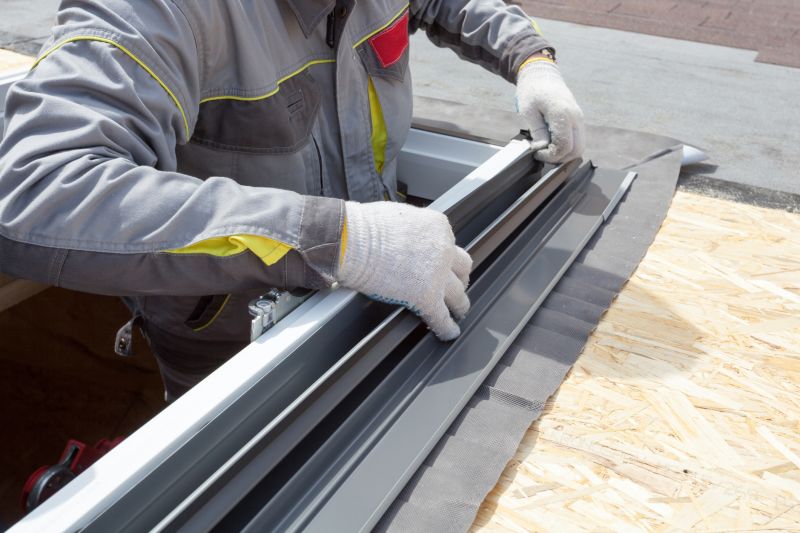

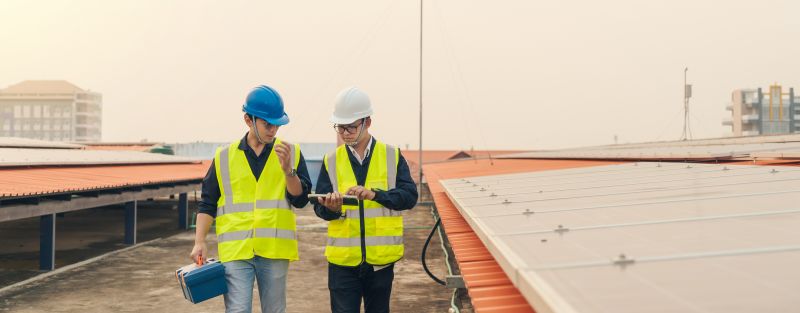
When people search for how roof certification protects lenders and insurance companies, they are often trying to understand the importance of having a verified assessment of a property's roof condition. This process involves evaluating the roof’s current state to determine its integrity and longevity. Homeowners, real estate agents, or property investors may seek this information during transactions or before refinancing, aiming to ensure the property’s value is accurately represented. Insurance companies also look for roof certifications to confirm that a roof meets certain standards, helping them assess risk and determine coverage options. Essentially, this topic connects to projects involving property sales, refinancing, insurance claims, or maintenance planning where a clear understanding of the roof's condition is crucial.
Roof certification is particularly relevant in situations where the roof’s age, condition, or recent repairs could impact a property's value or insurability. If a roof shows signs of damage, extensive wear, or past neglect, it may pose a higher risk for lenders and insurers. A certification provides a documented evaluation, indicating whether the roof is structurally sound and likely to withstand future issues. This helps lenders decide whether to approve a mortgage or loan, while insurance companies use the certification to determine policy terms or premiums. For property owners, obtaining a roof certification can streamline transactions and reduce potential disputes by providing a clear, professional assessment that supports their plans for selling, refinancing, or insuring the property.
The types of properties that typically come up in discussions about roof certification include residential homes, especially those in older neighborhoods or with complex roofing systems. Commercial buildings, such as retail stores or office complexes, also frequently require roof evaluations to meet financing or insurance requirements. Multi-family units like apartment complexes often need thorough assessments due to their larger size and higher occupancy risks. Additionally, properties involved in real estate transactions, including foreclosures or estate sales, often benefit from roof certifications to establish a reliable condition report. Local service providers who specialize in roof inspections and certifications are familiar with these property types and can help ensure that the evaluation aligns with the specific needs of each project.
Understanding how roof certification protects lenders and insurance companies helps homeowners and property investors make informed decisions about their properties. When working with local contractors who provide roof certification services, property owners gain access to expert evaluations that can facilitate smoother transactions and better risk management. These professionals conduct detailed inspections to verify the roof’s condition, providing documentation that supports financial and insurance processes. By ensuring the roof meets necessary standards, homeowners can avoid unexpected costs, delays, or coverage issues down the line. Ultimately, roof certification acts as a valuable tool for safeguarding the interests of lenders and insurers, while helping property owners move forward confidently with their plans.
Roof Inspection Projects - These projects involve detailed assessments of roofing systems to determine their condition, which is essential for accurate roof certification that protects lenders and insurance companies.
Property Condition Assessments - Conducted by service providers to evaluate overall building health, including roofing, ensuring lenders and insurers have reliable information on potential risks.
Insurance Claim Inspections - Local contractors perform inspections to verify roof damage or wear, supporting insurance companies in making informed coverage decisions.
Pre-Listing Home Inspections - These assessments help homeowners and agents prepare for sales by identifying roof issues that could impact financing or insurance policies.
Roof Repair and Replacement Planning - Planning projects involve evaluating roof condition to determine necessary repairs or replacements, aiding lenders and insurers in risk assessment.
Structural Damage Evaluations - These projects assess how roof issues may affect the building’s structural integrity, providing critical data for lenders and insurance providers.
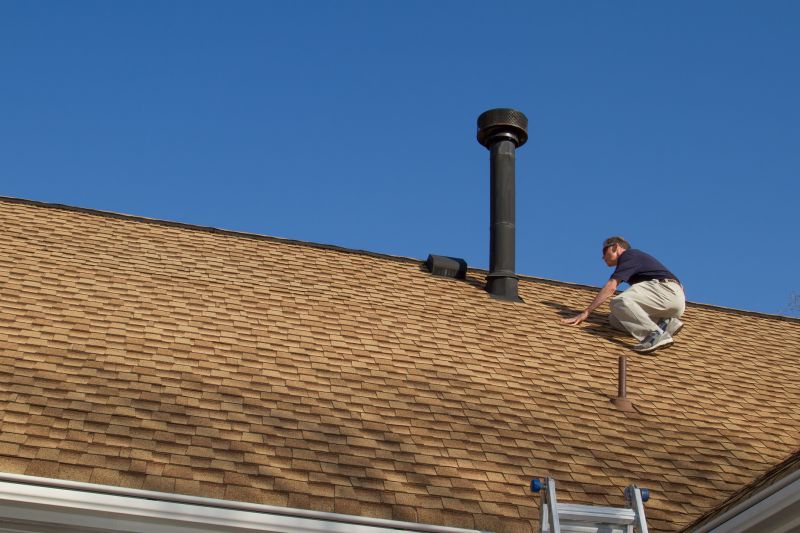
When evaluating roof certification services, it is important for homeowners to consider the experience of local contractors with similar projects. A provider with a proven track record in performing roof certifications for properties that serve as collateral for loans or insurance claims can offer valuable insights into the specific requirements of these evaluations. Homeowners should inquire about the contractor’s familiarity with the standards and expectations of lenders and insurance companies, ensuring they have the knowledge necessary to deliver accurate and thorough assessments. This experience can help reduce potential delays or issues during the certification process, providing peace of mind that the roof will meet the necessary criteria for financial or insurance purposes.
Clear written expectations are essential when choosing roof certification services. Homeowners should seek out providers who can offer detailed descriptions of what the certification process entails, including the scope of inspection, documentation provided, and any limitations. Having a comprehensive understanding of what to expect helps ensure that the certification will align with the requirements of lenders and insurance companies, minimizing misunderstandings or surprises later on. Reputable service providers typically communicate these expectations upfront, allowing homeowners to make informed decisions and feel confident that the certification will support their financial and insurance needs effectively.
Good communication and reputable references are key factors in selecting a dependable roof certification provider. Homeowners are encouraged to ask for references or reviews from previous clients who had similar projects related to lending or insurance requirements. This feedback can reveal the contractor’s professionalism, responsiveness, and accuracy in delivering the necessary documentation. A provider who maintains open lines of communication and responds promptly to questions can help streamline the certification process, ensuring all parties involved-homeowners, lenders, and insurance companies-are kept well-informed. Choosing a service provider with a solid reputation and transparent communication practices can contribute significantly to a smooth and successful certification experience.
Property owners often search for how roof certification protects lenders and insurance companies when they are planning practical projects around their homes and businesses. Local pros provide Roof Certification services for everyday jobs and straightforward project options.

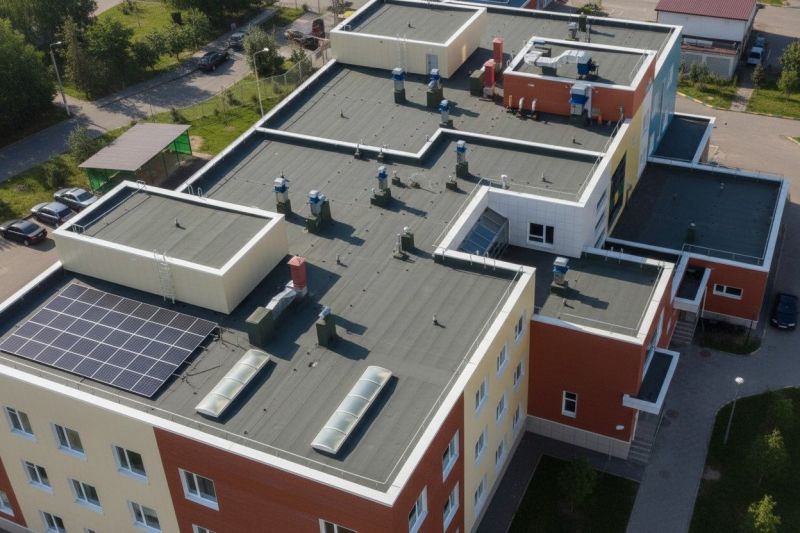
In many property transactions and insurance assessments, roof certification plays a crucial role in demonstrating the condition and reliability of a building’s roof. For property owners in the area, understanding how roof certification protects lenders and insurance companies can be essential when planning repairs, refinancing, or filing claims. Local contractors who specialize in roof assessments can provide the necessary documentation that verifies the roof’s integrity, helping to streamline approval processes and reduce potential delays. This service can be particularly valuable when a property is nearing the end of its warranty or has experienced recent weather-related damage, ensuring all parties have clear, verified information about the roof’s condition.
For property owners considering refinancing or purchasing a new home, roof certification offers an added layer of assurance for lenders and insurance providers. It helps demonstrate that the roof meets certain standards, which can influence loan approval or insurance coverage decisions. Local service providers can conduct thorough inspections and provide the certification needed to support these financial and coverage processes. By ensuring that the roof’s condition is accurately documented, property owners can help protect their investment and facilitate smoother interactions with lenders and insurance companies, making roof certification a practical step in managing property-related risks.
How does roof certification help lenders? Roof certification provides lenders with an accurate assessment of a property's roof condition, reducing the risk of financing properties with hidden or impending roof issues that could affect property value or safety.
In what way does roof certification benefit insurance companies? Insurance companies use roof certification to verify the roof’s condition before issuing or renewing policies, helping to prevent claims related to undisclosed or deteriorated roofs.
Why should property buyers consider roof certification services? Roof certification offers buyers confidence by confirming the roof’s condition, which can influence financing approval and insurance coverage decisions.
How do local contractors ensure roof certification supports financial transactions? They conduct thorough inspections to verify roof integrity, providing documentation that helps lenders and insurers make informed decisions about property risk.
What role does roof certification play in reducing future liability for lenders and insurers? It helps identify potential issues early, allowing for repairs or adjustments that can prevent costly claims or loan defaults related to roof problems.
Risk mitigation through roof certification - property owners can ensure their buildings meet safety standards, reducing potential liabilities for lenders and insurance companies during assessments.
Supporting loan approval processes - local contractors can provide roof certifications that help streamline financing decisions by demonstrating roof condition and compliance.
Insurance claim validation - roof certification services can establish the current state of a roof, assisting insurance companies in evaluating claim validity after damage or loss.
Property value verification - certified roofs can confirm property condition for lenders, supporting accurate appraisals and reducing the risk of overestimating property worth.
If you are thinking about how roof certification protects lenders and insurance companies for a property, this guide is meant to help you understand this topic, the typical project types, and how different options might fit your plans.
When you are ready, you can use the quote form on this page to share a few details about your project. From there, local pros can review the basics and follow up with options that match what you have in mind.